
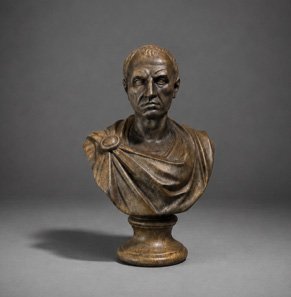
We live in a world increasingly designed for convenience, speed and replacement. Yet there is something compelling about an object that has survived. An antique, a well-made piece of furniture, an unusual curiosity or an old collectable carries evidence of another time, in its materials, craftsmanship, imperfections and the hands that have used it. To own such an object is, in a small way, to become part of its continuing story.
Collecting is not necessarily about rarity or monetary value. It is about curiosity. The objects we choose often say something about what interests us: a fascination with history, design, engineering, craftsmanship, childhood or simply the unusual. The best collections are rarely assembled overnight. They evolve naturally, reflecting the changing interests and experiences of the person who builds them.
There is also something wonderfully optimistic about collecting. We preserve objects because we believe they are worth carrying forward. A piece made decades or centuries ago can still find relevance in a modern home, conversation or collection. Its original purpose may have disappeared, but its beauty, ingenuity or story remains, giving something from the past a place in the future.
At Obsidian, this is what draws us to collecting. Not simply owning old things, but discovering the stories within them. We believe the right object can create curiosity, start a conversation and connect us with people and places long gone. Perhaps that is why, among everything we can buy new, objects with a past continue to hold our attention.